
Client · IoT manufacturer
Smart-home control app
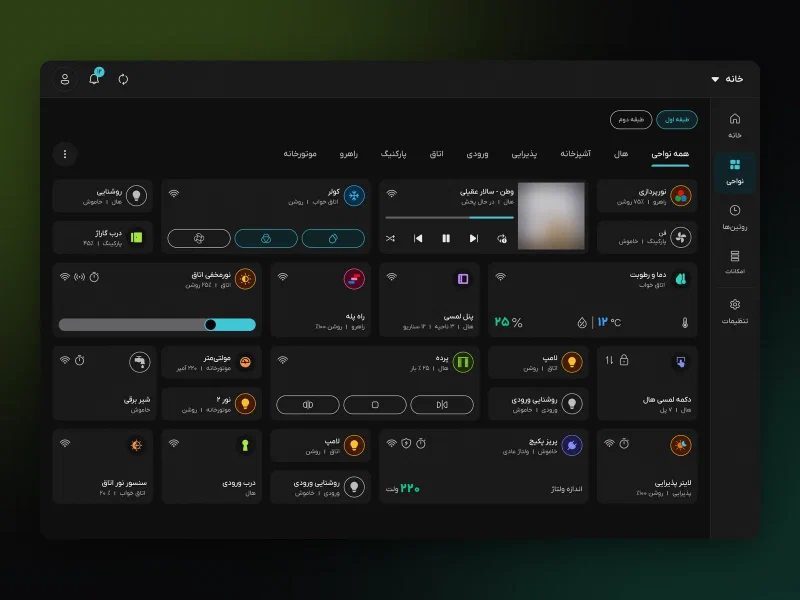
One Flutter codebase that controls home devices from phone, tablet, desktop and browser. Talks to hundreds of devices at once over UDP and MQTT, with live state updates.
Open to new projects
I'm Alex, a Flutter developer with 5+ years of experience. I design, build and publish cross-platform apps and fast websites for startups and small businesses, from the first sketch to the store release.
Client projects are described without names; I'm happy to walk you through them on a call.
Client · IoT manufacturer
One Flutter codebase that controls home devices from phone, tablet, desktop and browser. Talks to hundreds of devices at once over UDP and MQTT, with live state updates.
Client · consumer app
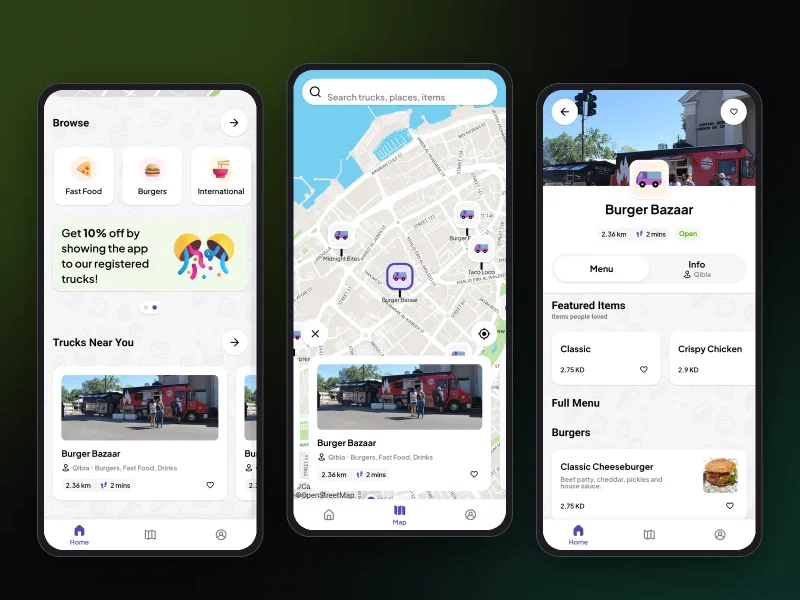
A discovery app with custom map interactions and live vendor locations. Menus open instantly, which roughly halved the time people spent looking for food.
Open source · app + website
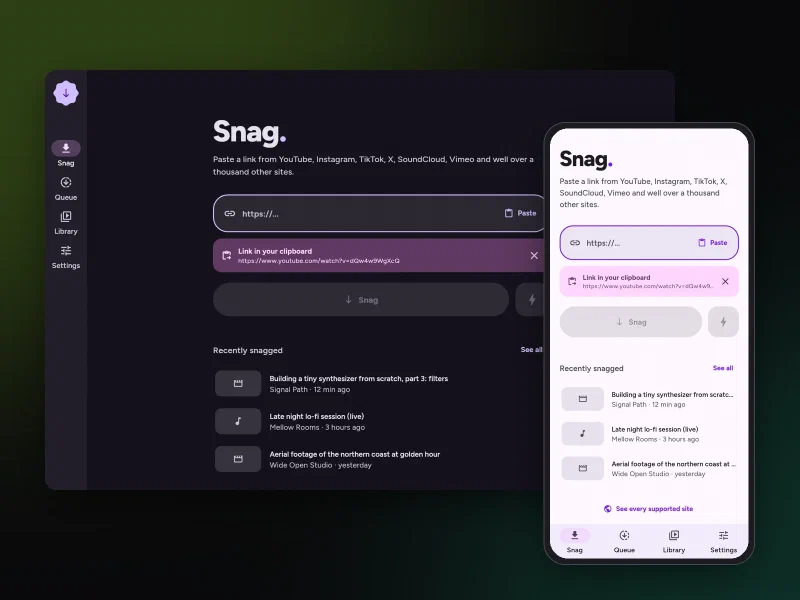
A media downloader for Linux, Windows, macOS and Android from one Flutter codebase. A Dart engine drives yt-dlp on desktop and a Kotlin bridge does it on Android. Full English and Persian UI, end-to-end tests, and its own bilingual landing site.
My product · released
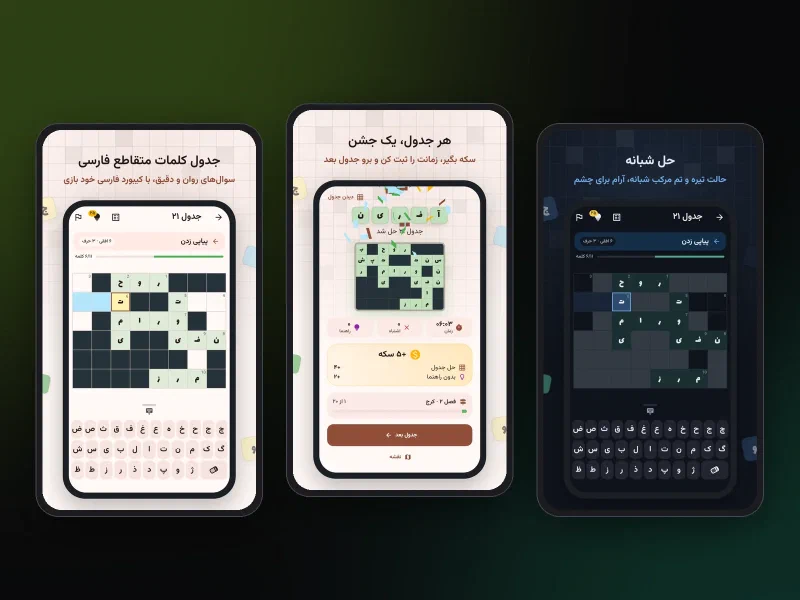
A Persian crossword game with a custom on-screen Farsi keyboard, daily challenges, a coin and hint economy, streaks and achievements, and in-app purchases for two app stores.
My product · released
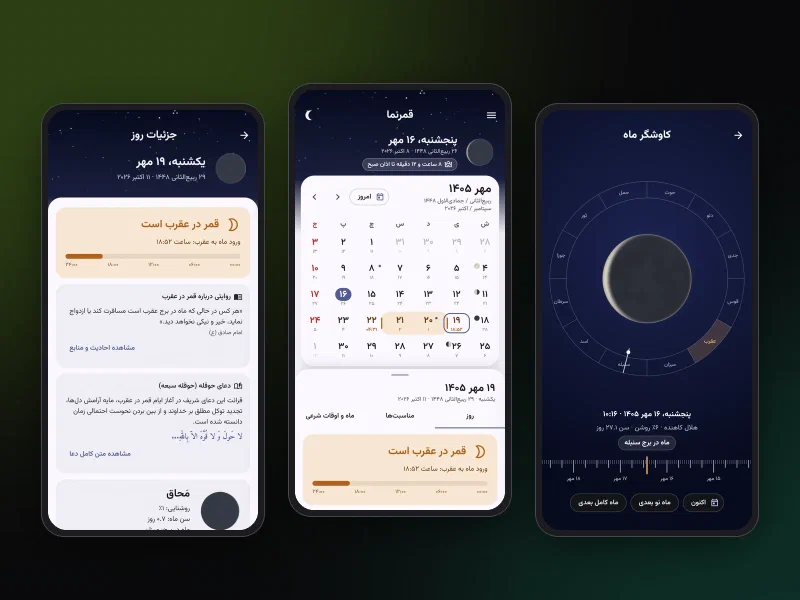
A Persian lunar-calendar app that answers one question at a glance: is the moon in Scorpio today? Exact entry and exit times, Jalali calendar, a moon explorer, reminders, and a right-to-left UI.
My product · released
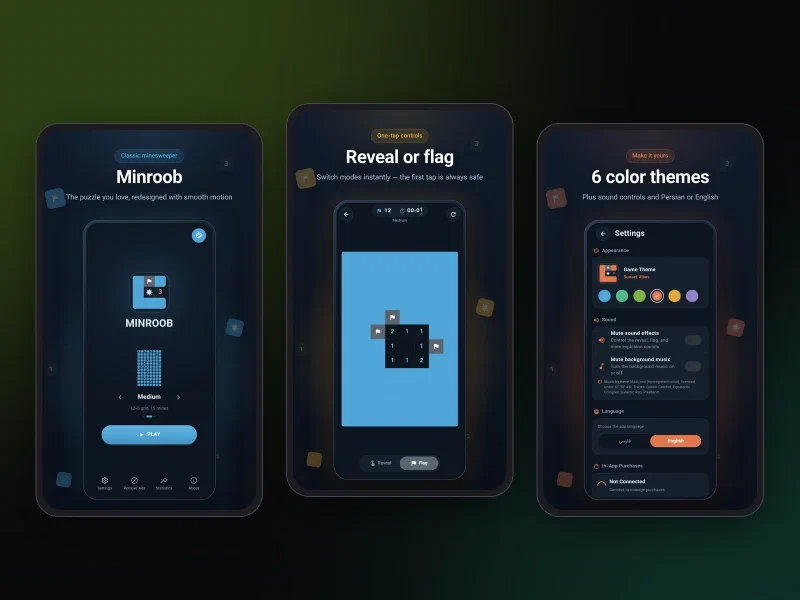
A modern, ad-free Minesweeper for Android with three difficulty tiers, six color themes and fully offline play. Small, fast, and polished down to the tap feedback.
iOS and Android from one Flutter codebase. I handle the design hand-off, the build, and the store submission.
Fast marketing sites, landing pages and dashboards that load quickly and rank well. This site is one of them.
Firebase, Appwrite, REST, GraphQL, MQTT and WebSockets, self-hosted on your own server with Docker and Nginx if you prefer.
Inherited a Flutter app that won't build, crashes, or is stuck on an old SDK? I upgrade it, fix it, and leave it documented.
A free 30-minute call, then a written scope with a fixed price and timeline.
You click through a prototype before any code is written, so surprises happen early and cheaply.
Every week you get a build to install and try. You see progress, not status reports.
I publish to the stores or your host, then fix any bug you find in the first 30 days at no cost.
Notes on Flutter, Android tooling and self-hosting.
Tell me what you want to build and when you need it. I reply within one working day.